Landscape Gardening in Forest Hill: Creating Outdoor Spaces That Thrive
Landscape gardening in Forest Hill is more than arranging plants and adding a few decorative features. It is about shaping an outdoor environment that suits the local climate, reflects personal style, and works beautifully throughout the seasons. Whether you have a compact front yard, a sprawling country property, or a sloped garden that needs careful planning, landscape gardening in Forest Hill offers endless opportunities to improve curb appeal, boost property value, and create a space you genuinely enjoy.
Forest Hill homeowners often look for practical yet attractive solutions that can stand up to changing weather, local soil conditions, and the natural beauty of the surrounding area. That is where thoughtful landscape design and smart planting choices make all the difference. A well-planned garden does not just look good on day one; it continues to grow, mature, and support your lifestyle for years to come.
From native planting schemes and water-wise layouts to outdoor living areas and seasonal color, landscape gardening in Forest Hill can be tailored to suit many needs. The key is balancing aesthetics with function. A successful outdoor space should be welcoming, easy to maintain, and resilient enough to handle local growing conditions.
Why Landscape Gardening in Forest Hill Matters
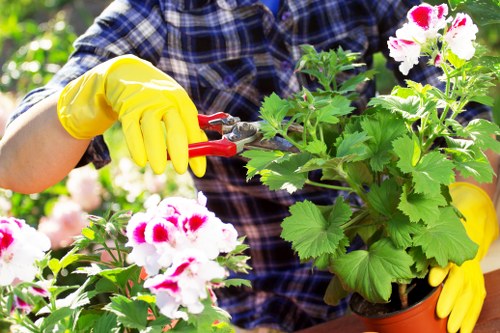
Forest Hill has a distinct character that makes outdoor design especially rewarding. Homes in the area often benefit from natural backdrops, mature trees, and a sense of openness that can be enhanced through careful landscaping. When done well, landscape gardening in Forest Hill helps connect your property to its surroundings while still expressing your own vision.
One of the biggest advantages of investing in landscape gardening is the improvement in property value. A polished front garden or a thoughtfully designed backyard can instantly elevate the appearance of a home. Buyers and visitors notice healthy lawns, well-structured flower beds, and inviting pathways. These features create a strong first impression and suggest that the property has been cared for properly.
Beyond appearance, landscaping also improves how outdoor spaces function. Families may want safe play areas, shaded seating, space for entertaining, or low-maintenance planting. Garden lovers may prefer borders filled with texture, color, and seasonal interest. In every case, landscape gardening in Forest Hill can be designed to serve real everyday needs, not just visual appeal.
Understanding the Local Conditions in Forest Hill
Before starting any landscape project, it is important to understand the local conditions that affect plant growth and garden performance. Soil quality, sunlight exposure, drainage, wind patterns, and seasonal temperature changes all influence what will thrive. This is especially true in landscape gardening in Forest Hill, where a successful design must suit the environment rather than fight against it.
Soil testing is often a smart first step. It can reveal whether the ground is sandy, clay-heavy, compacted, acidic, or lacking key nutrients. With this information, you can choose plants more intelligently and make amendments where necessary. Healthy soil supports stronger root growth, better water retention, and more reliable blooms.
Sun exposure is another major factor. Some areas may receive full sun for most of the day, while others remain shaded by trees or buildings. By mapping the light across your property, you can place sun-loving perennials, shade-tolerant shrubs, and lawn areas in the right locations. This simple planning step can dramatically improve the results of landscape gardening in Forest Hill.
Choosing Plants That Suit Forest Hill
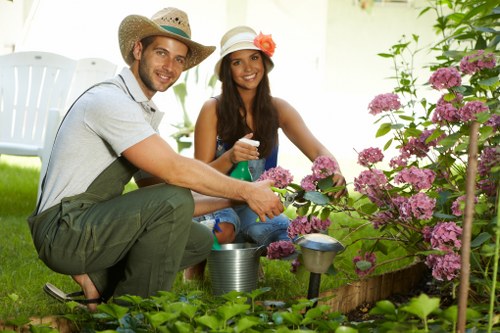
Plant selection is the foundation of any successful garden. In landscape gardening in Forest Hill, choosing the right plants means prioritizing adaptability, resilience, and year-round appeal. A well-balanced planting plan should include a mix of trees, shrubs, perennials, grasses, and ground cover so the garden has structure and interest in every season.
Native and climate-adapted plants are often the best choice because they typically require less water, fewer inputs, and less ongoing maintenance. They also support local wildlife, including birds, bees, and butterflies. For homeowners who want an environmentally responsible garden, native planting is a smart and attractive solution.
Some useful plant categories for Forest Hill landscapes may include:
- Evergreen shrubs for year-round structure
- Flowering perennials for seasonal color
- Ornamental grasses for movement and texture
- Ground covers to reduce weeds and stabilize soil
- Small trees for shade, privacy, and vertical interest
It is also worth considering bloom times and foliage color. A garden that flowers in spring but fades by midsummer may feel incomplete. By combining early, mid, and late-season plants, you can maintain interest for much longer. In landscape gardening in Forest Hill, layered planting designs often produce the most satisfying and sustainable results.
Design Principles That Shape a Beautiful Outdoor Space
Good landscaping is never random. It relies on design principles that create harmony, flow, and function. In landscape gardening in Forest Hill, the most effective designs usually have a clear layout, repeated planting patterns, and a balance between open space and detailed features.
One of the most important principles is unity. This means making sure the entire garden feels connected. Repeating certain plant types, materials, or colors can help tie different areas together. For example, a pathway, patio edging, and raised bed borders may all use the same stone or brick to create a cohesive look.
Scale and proportion also matter. Large trees can overwhelm a small courtyard, while tiny decorative plants may disappear in a wide open yard. The right mix ensures that each element feels intentional. In landscape gardening in Forest Hill, matching the size of plants and features to the size of the property creates visual balance and prevents awkward design choices.
Front Yard Landscaping Ideas
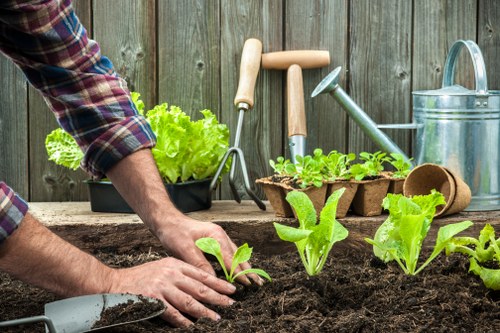
The front yard plays a major role in curb appeal. It is the first part of the property most people see, so it should be attractive, tidy, and welcoming. A strong front-yard design in landscape gardening in Forest Hill might include layered planting beds, a defined walkway, a feature tree, and low-maintenance borders that look good throughout the year.
Homeowners often underestimate how much difference a well-placed pathway can make. A clear path framed by plants or lighting creates a sense of direction and helps visitors feel invited. Path materials such as gravel, pavers, flagstone, or natural rock can be chosen to match the home’s style and the surrounding landscape.
Popular front yard features include:
- Symmetrical planting near the entryway
- Accent shrubs and ornamental trees
- Mulched beds for a neat finish
- Soft lighting for safety and atmosphere
- Seasonal flowers for color and charm
Simple front yard improvements can have a big impact. Even replacing overgrown shrubs with well-spaced, healthier planting can transform the look of the home. When planning landscape gardening in Forest Hill, front yards should be designed to be attractive without becoming difficult to maintain.
Backyard Landscaping for Relaxation and Entertainment
The backyard is where many homeowners want to enjoy privacy, comfort, and flexibility. A successful backyard design may include a patio, lawn, fire pit, vegetable beds, shaded seating, or a play area for children. Landscape gardening in Forest Hill allows these spaces to be customized so they support your routine and lifestyle.
If you enjoy entertaining, think about how guests will move through the space. A patio near the house creates an easy transition from indoors to outdoors. Nearby planting can soften hard surfaces and make the area feel more inviting. Trees or tall shrubs can provide screening and help the backyard feel more secluded.
For those who prefer quiet outdoor time, a garden retreat can be created with layered plantings, a bench beneath a tree, or a small water feature. These details add atmosphere without requiring a huge footprint. In landscape gardening in Forest Hill, the backyard often becomes the most personal part of the property because it can be tailored so closely to individual habits and preferences.
Low-Maintenance Landscape Gardening in Forest Hill
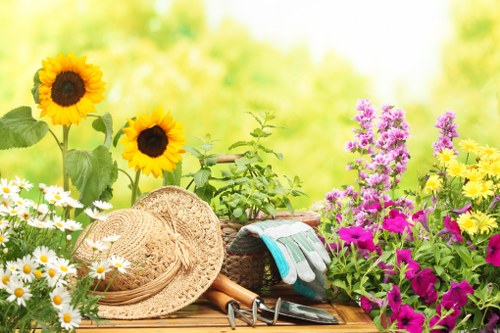
Not every homeowner wants to spend hours each week on upkeep. That is why low-maintenance landscaping is a popular approach in Forest Hill. A practical garden can still look polished and beautiful while reducing the amount of watering, pruning, mowing, and weeding required.
Low-maintenance design often begins with smart plant choices. Drought-tolerant shrubs, native perennials, hardy grasses, and ground covers can reduce the need for constant attention. Mulch is another useful tool because it helps conserve moisture, controls weeds, and gives beds a clean appearance.
Other ways to reduce maintenance include:
- Installing drip irrigation for efficient watering
- Using hardscaping to reduce lawn area
- Choosing slow-growing shrubs
- Grouping plants with similar water needs
- Creating raised beds for easier access
A low-maintenance approach does not mean a boring garden. It means designing intelligently so the landscape works with you rather than against you. In landscape gardening in Forest Hill, this strategy is especially valuable for busy households, vacation homes, and anyone who wants beauty without excessive work.
Water-Wise Gardening and Sustainable Choices
Sustainability is becoming increasingly important in modern landscaping. Forest Hill homeowners are often interested in gardens that conserve resources, support biodiversity, and remain attractive during dry periods. Water-wise landscape gardening in Forest Hill is a practical way to meet all three goals.
Efficient irrigation is one of the best starting points. Drip systems and soaker hoses deliver water directly to the root zone, reducing waste. Grouping plants by water need also helps because it prevents overwatering or underwatering in different parts of the garden.
Sustainable landscaping may also include permeable surfaces, compost-enriched soil, and the use of native plants that are naturally suited to the area. These features help reduce runoff, improve soil health, and create a more resilient garden. When planning landscape gardening in Forest Hill, sustainability should be viewed as a design strength, not a compromise.
Hardscaping Elements That Add Structure
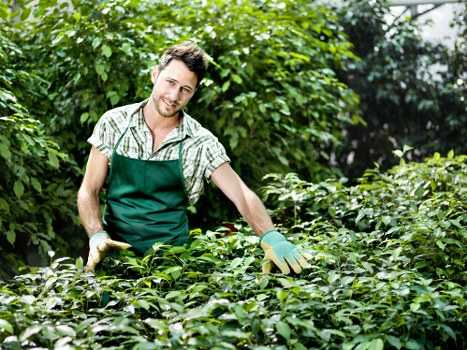
Hardscaping refers to the non-living elements of a landscape, such as patios, retaining walls, pathways, fences, steps, and decorative stonework. In landscape gardening in Forest Hill, hardscaping is essential because it gives the garden structure and makes outdoor areas more usable.
A retaining wall can solve slope issues while also creating planting terraces. A stone patio can define an outdoor dining zone. Garden edging can keep beds neat and prevent grass from spreading where it should not. These features help create a more organized and polished appearance.
Common hardscaping materials include:
- Natural stone
- Brick
- Concrete pavers
- Timber edging
- Gravel and decorative aggregate
When hardscaping is integrated well, it feels like a natural part of the garden rather than an afterthought. The best designs use hard surfaces to support planting, movement, and outdoor living. In landscape gardening in Forest Hill, a thoughtful combination of plants and structural features often creates the most lasting results.
Dealing With Slopes, Drainage, and Challenging Sites
Not every yard is flat or easy to manage. Many properties in Forest Hill have slopes, uneven ground, or drainage challenges that require special attention. These conditions should not be seen as problems alone; with the right design, they can become standout features.
Sloped gardens may benefit from terracing, retaining walls, and step-down planting areas. These solutions reduce erosion and make the property easier to use. They also create opportunities for visual layering, which can be very attractive in landscape gardening in Forest Hill.
Drainage issues should be addressed early to prevent standing water, root damage, and soil instability. Solutions may include improving soil structure, regrading parts of the yard, adding French drains, or choosing moisture-tolerant plants for wetter zones. A well-drained garden performs better and needs less corrective maintenance over time.
Seasonal Interest: Keeping the Garden Attractive Year-Round
A strong landscape should look appealing in more than one season. In Forest Hill, that means thinking beyond summer blooms and making sure the garden has structure, texture, and color all year. Evergreen shrubs, bark texture, winter berries, and seasonal flowers can help maintain visual interest across changing conditions.
Spring is a time for new growth and fresh color. Summer brings lush foliage and vibrant flowering displays. Autumn adds warm tones and textural changes. Even winter can be beautiful when evergreen forms, ornamental grasses, and structural elements remain in place. This kind of planning is a hallmark of effective landscape gardening in Forest Hill.
By designing for seasonal change, you avoid the problem of a garden that feels empty or unfinished for half the year. Instead, the landscape becomes a living composition that evolves naturally. That sense of continuity is one of the greatest rewards of thoughtful garden design.
Maintenance Tips for Lasting Results
Even the best-designed landscape needs regular care. Maintenance keeps plants healthy, surfaces clean, and the garden looking intentional. In landscape gardening in Forest Hill, a manageable maintenance routine is often the difference between a space that thrives and one that becomes overgrown.
Useful maintenance practices include pruning at the right time, refreshing mulch, checking irrigation systems, removing weeds before they spread, and feeding the soil when necessary. Deadheading flowers can encourage more blooms, while trimming shrubs helps maintain shape and prevent crowding.
Here are a few seasonal maintenance priorities:
- Spring: clean up beds, prune damage, and refresh soil
- Summer: monitor watering and control weeds
- Autumn: tidy leaves, plant bulbs, and prepare for cooler weather
- Winter: protect sensitive plants and inspect hardscaping
Regular attention helps protect your investment. It also allows the garden to improve over time rather than decline. With consistent care, landscape gardening in Forest Hill becomes a long-term asset that continues to add beauty and enjoyment.
How Professional Landscape Gardening Adds Value
While some homeowners enjoy handling garden projects themselves, professional support can save time and lead to stronger results. A landscape professional brings experience in design, plant selection, material choice, and site planning. That expertise can be especially valuable when working with difficult slopes, drainage concerns, or complex planting schemes.
Professional landscape gardening in Forest Hill can also help you avoid costly mistakes. Choosing the wrong plant for a location, placing a patio in a poor drainage area, or underestimating maintenance needs can all lead to frustration. Skilled planning reduces these risks and creates a more dependable outcome.
In many cases, the best approach is a combination of creative vision and practical implementation. You provide the goals, style preferences, and budget; an experienced landscaper helps turn that into a design that works. If you are ready to improve your outdoor space, contact us today and take the first step toward a garden that fits your property and lifestyle.
Tips for Getting Started With Your Own Project
If you are thinking about beginning a landscape project, start with a clear plan. Walk around your property and note where the sun falls, where water collects, and which areas are most visible from the street or patio. Consider how you use the space now and how you would like to use it in the future.
It is often helpful to separate your goals into categories such as beauty, privacy, relaxation, sustainability, and maintenance. This makes it easier to prioritize features. A beautiful garden does not have to do everything at once, but it should support the most important functions first. That is the essence of successful landscape gardening in Forest Hill.
Before making changes, think about budget, timeline, and whether the work should be phased over time. You may want to start with structural elements like pathways or beds, then add plants later. This phased approach can make the project more manageable while still delivering strong results. Book your service now if you want expert help turning those ideas into a practical design.
Final Thoughts on Landscape Gardening in Forest Hill
Landscape gardening in Forest Hill is a rewarding way to enhance both the appearance and usability of your property. With the right combination of planning, plant selection, hardscaping, and maintenance, any outdoor area can be transformed into a space that feels inviting and purposeful.
Whether your priority is a low-maintenance front yard, a private backyard retreat, or a more sustainable and water-wise layout, the options are flexible and creative. The most successful gardens are those that fit the land, match the lifestyle of the homeowner, and evolve beautifully over time. By focusing on local conditions and thoughtful design, you can create a landscape that delivers value in every season.
If you are ready to improve your outdoor space, now is the ideal time to act. Explore your options, refine your goals, and take the next step toward a garden that truly belongs in Forest Hill. Contact us today to begin shaping a landscape that is attractive, practical, and built to last.

